
The first time I arrived in Mendoza, the light was turning copper on the vines and someone at the next table was swirling a glass of Malbec as if there were nowhere else in the world to be. By nightfall, dinner had stretched into stories, and I understood why wine tours in Argentina stay with people long after the last tasting.
Table of Contents
- An Invitation to Argentina's Wine Country
- Finding Your Perfect Pour in Argentina's Wine Regions
- Designing Your Dream Journey with Curated Wine Tours
- The Art of Timing Your Argentine Wine Adventure
- Planning the Finer Details Logistics Budgeting and Booking
- Beyond the Bottle Exclusive and Unforgettable Experiences
- Your Argentine Wine Story Begins Here
An Invitation to Argentina's Wine Country
There's a particular hush that settles over a vineyard near the Andes just before sunset. Glasses touch lightly, the air cools, and the mountains stop feeling like scenery and start feeling like part of the ritual.
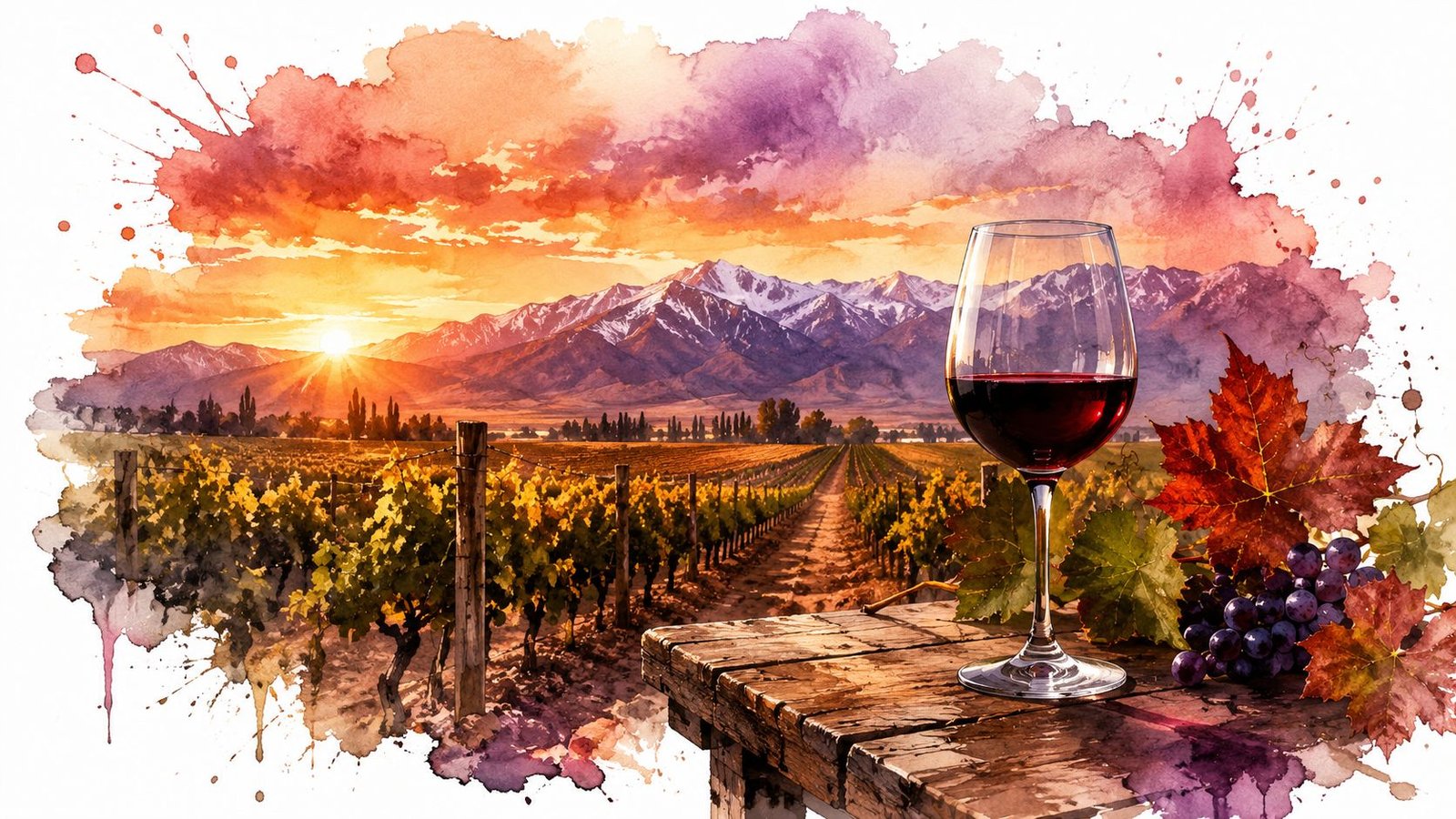
That's the feeling people chase when they start looking at wine tours in Argentina. Not just tastings. Not just labels they recognize from a restaurant list back home. They want the table under the trees, the host who explains the soil with stained hands, the drive between vines and mountain shadows, the lunch that becomes the center of the day.
Three regions, three moods
Argentina's wine country isn't one single experience. It feels more like a trilogy.
Mendoza is the grand classic. It's where many travelers begin, and for good reason. The scale is generous, the Andean backdrop is unforgettable, and the rhythm of a day can move from sleek architecture to slow, rustic lunches without ever feeling forced.
Salta, especially around Cafayate, has a different personality. The scenery turns dramatic and arid, with red rock, brilliant light, and wines that feel shaped by altitude and desert air. It suits travelers who want discovery with their tasting notes.
Patagonia feels quieter. The mood is more spacious, more elemental. It's for travelers who like the idea of elegant wines paired with open skies, wind, and a sense of remoteness.
Wine travel in Argentina works best when you choose a region the way you'd choose a novel. You're not just picking a place. You're choosing a tone.
The beauty of planning here is that there's room to be personal. Argentina operates 894 registered wineries, with over 300 exporting to the US, which creates a large tourism ecosystem with enough depth for highly curated itineraries rather than standardized stops, as noted in this snapshot of Argentina's wine industry. That scale matters because it gives a travel curator real freedom. A group looking for polished cellar-door hospitality can have it. So can a couple seeking a slower route with long lunches, private tastings, and time to breathe.
Travel with heart, not autopilot
The best journeys through Argentine wine country don't feel overproduced. They feel attentive.
That might mean balancing vineyard visits with a market stroll in town, or choosing one profound tasting and one unforgettable meal instead of trying to race through a dozen bodegas. It might mean shaping a route for a corporate group that wants connection and conversation, not just logistics.
If you're beginning to map out your own route, La Sirena's Argentina travel experiences give a useful sense of how a curated journey can be built around place, pace, and personality.
Finding Your Perfect Pour in Argentina's Wine Regions
Choosing among Argentina's wine regions is a little like choosing a host for the trip. One welcomes you with polished confidence. One draws you into a stark, high-desert world. One asks you to slow down and listen.
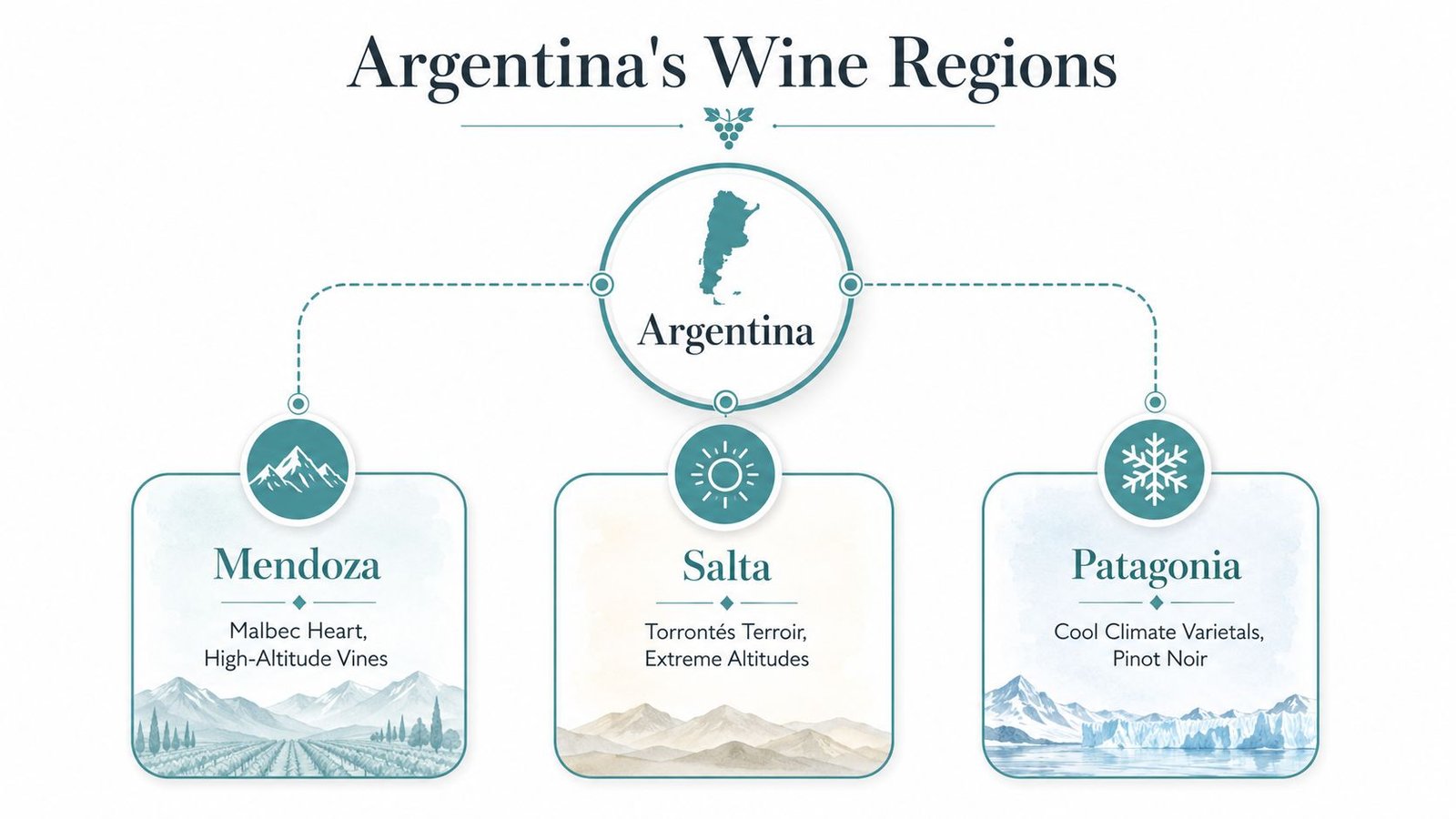
Mendoza for classic grandeur
Mendoza is the region people picture first, and the image usually isn't wrong. Vineyards unfurl beneath the Andes. Long lunches appear under pergolas. Tastings move from bright terraces to cool cellars with a sense of ceremony.
The region also rewards travelers who want range. One day can be all iconic Malbec and mountain views. The next can focus on architecture, food pairings, or vineyard walks that bring the winemaking conversation down to earth.
In the Uco Valley, vineyards sit at 900 to 1,200 meters above sea level, and that altitude creates a large day-night temperature swing that helps preserve acidity in the grapes, a key factor behind the premium quality associated with the area's Malbec, according to this overview of Argentina and Chile wine touring. You can feel that precision in the glass. The wines often arrive with freshness and structure, even when the surroundings feel sun-drenched and expansive.
A short visual introduction helps if you're still deciding where Mendoza fits your style:
Salta for high-desert character
Salta is for travelers who don't want the obvious version of wine country. The road north changes the palette entirely. Earth tones deepen. The air feels drier. The scenery becomes more sculptural than lush.
Cafayate, the region's best-known wine hub, is often where people fall in love with the north. Tastings here tend to feel more intimate in spirit, and the scenery gives every stop a sense of occasion. It's a strong choice for travelers who care as much about place as they do about the wine list.
For anyone drawn to this northern route, La Sirena's full-day tour from Salta to Cafayate shows how the wine experience can be woven into a broader journey through dramatic scenery and regional culture.
Patagonia for quiet elegance
Patagonia is the least theatrical of the three, and that's part of its charm. It doesn't try to overwhelm you. It gives you space.
The wine experience here tends to pair beautifully with travelers who like understatement. Think smaller-scale moments, cooler moods, and a trip that blends wine with the wider idea of southern Argentina. It's less about making declarations and more about developing affection slowly.
Which region fits your travel style
A simple comparison often helps more than a long description.
| Region | Best for | Atmosphere | Signature feeling |
|---|---|---|---|
| Mendoza | First-time visitors, luxury travelers, corporate groups | Polished, scenic, versatile | Big Andean beauty and classic prestige |
| Salta | Curious return travelers, culture lovers, adventurous food and wine travelers | Intimate, dramatic, high-desert | Discovery and strong sense of place |
| Patagonia | Slow travelers, nature lovers, elegant minimalists | Quiet, spacious, refined | Stillness, open skies, subtle charm |
Practical rule: Don't choose only by grape. Choose by how you want your days to feel.
Some travelers want Mendoza's confidence and infrastructure. Others want the surprise of Salta, or the calm of Patagonia. The right answer isn't the region with the most famous name. It's the one that matches the mood of your trip.
Designing Your Dream Journey with Curated Wine Tours
A memorable wine trip rarely comes from stacking winery visits back to back. It comes from deciding what kind of days you want, then choosing experiences that support that rhythm.
Start with the pace, not the price
Some travelers imagine wine tours in Argentina as a whirlwind: three tastings, one lunch, photos at every stop, then back to the hotel. That can work for some groups, especially if the trip is short. But many of the most satisfying itineraries start with a different question. Do you want your trip to feel social, contemplative, festive, educational, indulgent, or all of those in different doses?
That answer shapes everything.
A private couple's journey often benefits from fewer winery stops and more time at each one. A corporate group usually needs smoother transitions, enough structure to keep the day coherent, and enough breathing room for conversation. A friends' getaway can lean into leisurely lunches and hands-on tastings without feeling rushed.
Choose experiences that shape the day
It helps to think in building blocks rather than package names.
Private tastings and guided visits work well when you want depth. You get space to ask questions, move at your own pace, and avoid the slightly anonymous feeling that can creep into larger scheduled tours.
Vineyard lunches often become the emotional anchor of the day. People remember the table, the mountain light, the bread, the conversation. The wine matters, of course, but the setting does equal work.
Workshops and themed tastings are ideal for travelers who want participation, not just observation. Blending sessions, regional comparisons, or food pairing experiences give the day a stronger narrative.
Winery stays change the texture of the trip completely. Waking among the vines turns wine country from an excursion into an atmosphere.
One useful way to design an itinerary is to mix intensity and softness:
- Begin with a high-impact tasting at a flagship bodega.
- Follow with a slower meal rather than another formal tour.
- Leave late afternoon open for a walk, spa time, or a second glass at sunset.
- Save the more technical or ambitious experience for the next day.
If every hour is programmed, wine country starts to feel like a meeting schedule with better views.
A curated trip also leaves room for personality. Some travelers want architecture and polished service. Others want family stories, rustic kitchens, and cellar rooms that still feel working rather than performative. Neither is more authentic than the other. The key is alignment.
A few strong itinerary combinations
Different pairings create very different moods:
Luxury and immersion
A vineyard hotel, a private tasting, and one long lunch with pairings. Best for anniversaries, honeymoons, and travelers who'd rather go deeper than wider.Group energy and ease
A dedicated driver, a tasting with enough structure for the group to stay together, and a dinner that brings everyone back around one table. Best for celebrations and company retreats.Wine plus culture
One winery day balanced with city time, local food, and a cultural experience in the evening. Best for travelers who never want a trip to become too single-note.
Good curation isn't about excess. It's about editing. The right wine journey feels composed, generous, and personal, as if someone understood what kind of memories you were hoping to bring home.
The Art of Timing Your Argentine Wine Adventure
The usual advice is simple: go during harvest. It's not bad advice. It's just incomplete.
Harvest is glorious, but it isn't the only answer
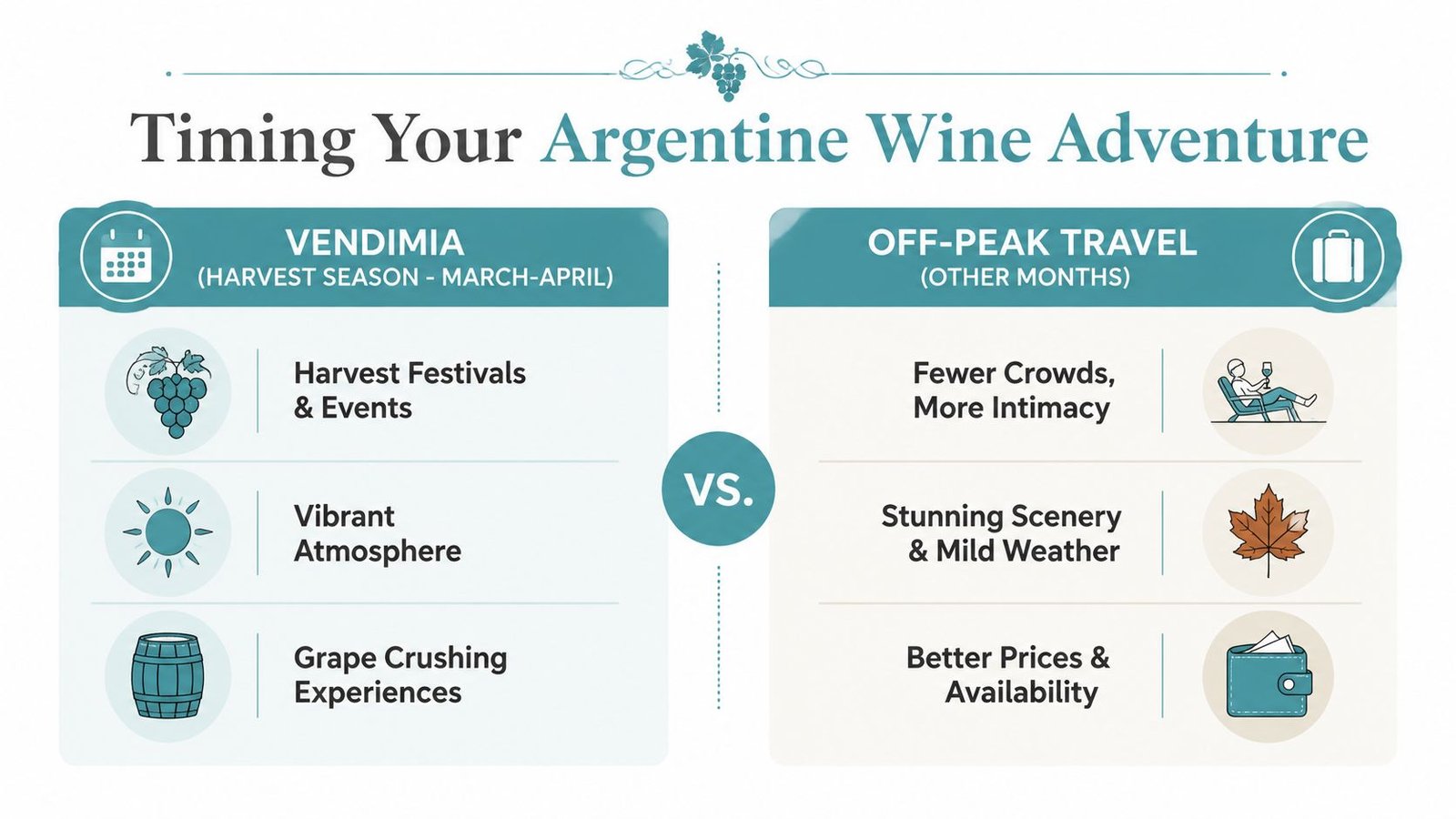
Mendoza's most celebrated season is autumn, especially March and April, when the vendimia harvest fills the city and vineyards with energy, as highlighted in this video overview of Mendoza's wine route. If you love festival atmosphere, visible harvest activity, and the sense that the whole region is tuned to the same moment, this period is magnetic.
There's a reason it appears so often in travel advice. The vineyards are active, the mood is buoyant, and even a casual tasting can feel like part of a wider cultural celebration.
Why May and June deserve more attention
But shoulder season has its own kind of magic, especially for travelers coming from Europe who often plan group travel in late spring and early summer on their own calendar. The conversation shifts in May and June. The roads feel calmer. Tastings breathe a little more. Staff often have more time to engage, and the whole region can feel more personal.
That matters because there's a real gap between what travelers ask for and what many guides explain. According to this article on Argentina wine touring beyond harvest, many European groups inquire about May and June, and wineries such as Salentein continue to run full tasting programs during this quieter period. For planners based in Europe, that's useful, practical information. It means you don't have to choose between a well-timed trip and a meaningful wine experience.
Going after harvest doesn't mean settling for less. Often it means getting closer to the people and places you came to experience.
How the seasons change the mood
The difference isn't just operational. It's emotional.
During vendimia, days can feel celebratory and social. In May and June, the same region can feel reflective, polished, and intimate. If harvest is the extrovert season, shoulder season is the one for conversation.
A simple way to think about timing:
- March and April suit travelers who want event energy, harvest symbolism, and a lively regional pulse.
- May and June suit travelers who value quieter tastings, easier pacing, and a more private feeling on the ground.
- Other periods can also work beautifully, depending on your route and the balance you want between wine, scenery, and other experiences.
The insider approach to timing
For many corporate planners and private groups, the smartest move isn't asking for the “best” month in the abstract. It's asking which month suits the trip's purpose.
A celebratory incentive journey may shine during harvest. A leadership retreat or a private luxury escape may feel more comfortable in a quieter window, when conversations can unfold without the background hum of peak season. That's where thoughtful curation changes the trip from standard to memorable.
Planning the Finer Details Logistics Budgeting and Booking
Wine country feels effortless when the planning underneath it is solid. The car arrives on time. The lunch reservation is confirmed. The pacing works. Nobody is studying maps in a parking lot while a tasting slot slips away.
How to move through wine country well
Transport changes the tone of the day more than many travelers expect.
A dedicated driver provides the most effortless experience. It keeps the day elegant, especially for private groups or corporate travelers who want conversation to continue between stops without worrying about directions, parking, or tasting responsibly.
A rental car works for independent travelers who like flexibility and are comfortable with a more self-directed pace. It's most appealing when wine is only one part of the wider itinerary.
Organized touring suits travelers who prefer the key pieces assembled in advance. That can be especially useful in regions where distances between experiences affect the day more than they seem on a map.
What your budget actually buys
Argentina's wine tourism market has real range. According to this Argentina wine tourism pricing overview, experiences can start at €30 for a basic tasting and extend to over €30,000 for ultra-luxury, multi-day programs, with booking in advance playing an important role in securing the experience you want. That wide span tells you something important. Wine travel here isn't defined by one budget level. It's defined by how carefully the trip is assembled.
Here's a practical way to think about that spectrum:
| Travel style | What it often includes | Best for |
|---|---|---|
| Simple and elegant | A tasting or two, independent meals, straightforward transport | Travelers who want flexibility without sacrificing quality |
| Comfortably curated | Pre-booked visits, lunch reservations, private transfers, balanced pacing | Couples, friends, and small groups who want ease |
| High-touch luxury | Multi-day vineyard stays, exclusive access, private cultural experiences, concierge planning | Celebrations, executive travel, and milestone trips |
The distinction isn't only about spending more. It's about choosing what matters most. One traveler values a top-tier winery lunch. Another values private guiding. Another wants a vineyard hotel and doesn't care if the tastings remain simple.
Spend on the parts of the day you'll feel most deeply, not the ones that merely look impressive on paper.
Why booking style matters
Advance planning matters more in Argentine wine country than many first-time visitors assume. The issue isn't only availability. It's coherence.
A good booking sequence protects the rhythm of the trip:
Secure the anchor experiences first
Lock in the winery lunch, private tasting, or hotel stay that defines the trip.Build transport around those anchors
Once timing is fixed, routes become smoother and less stressful.Leave room for one open pocket
A free afternoon or a slower morning often becomes the part of the trip people appreciate most.
For travelers who want help coordinating those layers, La Sirena Vacations' travel agency services show the kind of support a boutique planner can provide, particularly for customized routes and group logistics.
Accommodation deserves the same thoughtful approach. Some travelers are happiest in a city hotel with easy restaurant access and day trips into wine country. Others want to sleep among the vines and accept a quieter evening in exchange. Neither is necessarily better. The right choice depends on whether you want your trip centered on exploration, immersion, or a mix of both.
Beyond the Bottle Exclusive and Unforgettable Experiences
The tasting itself is only part of why people fall for Argentine wine country. The memories that linger usually come from what happened around the glass.
The moments people talk about afterward
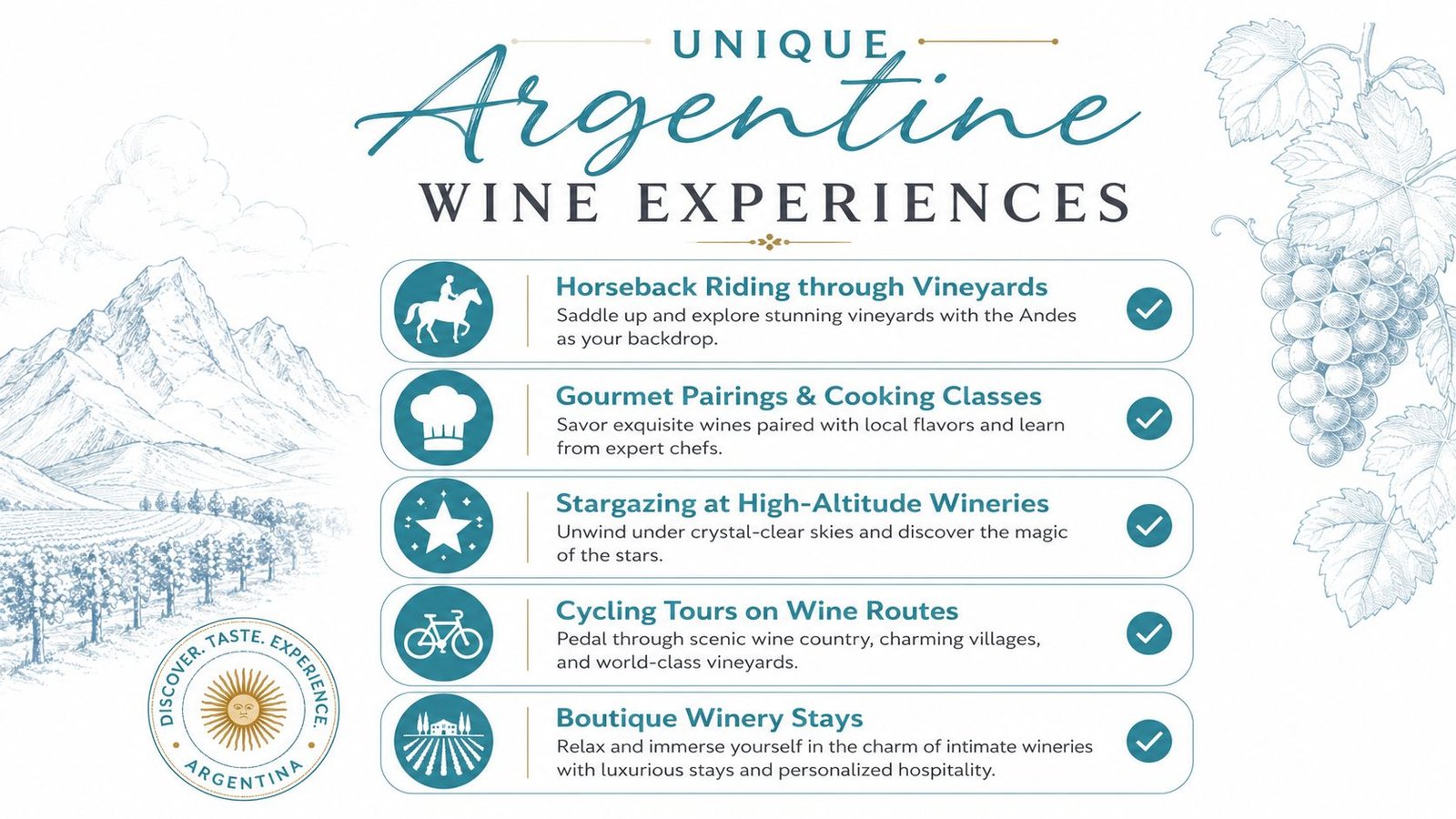
A traveler may arrive focused on Malbec and leave talking about the horseback ride at dusk. A group may schedule winery tastings and end up remembering the cooking lesson, the quiet among the vines, or the meal that stretched into the evening.
These are the kinds of additions that transform wine tours in Argentina into richer journeys:
Horseback riding through vineyard settings brings movement and perspective. You stop being a visitor looking at the vineyard and start feeling inside it.
Cooking classes and gourmet pairings connect wine to the broader culture of the table. They're especially good for groups because everyone participates, even the people who don't speak the language of tannins and structure.
Cycling routes between wineries add playfulness and a sense of freedom, especially on slower days with nearby stops.
Boutique winery stays deepen the atmosphere. Morning coffee tastes different when vines are the first thing you see.
The most meaningful wine travel often comes from pairing one excellent tasting with one experience that has nothing to do with swirling or scoring the wine.
The Andean Wine Corridor
One of the most exciting ideas for travelers who want something more ambitious is the Andean Wine Corridor, a route that links Chilean and Argentine wine regions into a single, cross-border journey. According to this feature on wine travel routes in Patagonia and beyond, this multi-country concept is gaining traction, even though practical guidance on how to execute it remains limited.
That scarcity of practical information is exactly why the concept feels special. It's not a simple add-on. It requires attention to border crossings, road planning, pacing, and language comfort across the journey. But when done well, it creates something far more layered than a standard Mendoza stay.
When to think beyond one region
A cross-border itinerary isn't for everyone. It works best when the traveler wants the route itself to become part of the story.
It can be a strong fit for:
- Luxury leisure travelers who want a once-in-a-lifetime arc rather than a single-base trip
- Adventure-minded groups who enjoy movement, scenery, and a little complexity
- Corporate groups seeking a more distinctive reward or incentive journey
For others, staying within one Argentine region and enriching it with non-wine experiences may be the more satisfying choice. A trip doesn't need to be bigger to be more memorable. It just needs character.
Your Argentine Wine Story Begins Here
At its best, a wine journey through Argentina doesn't feel like a checklist of bodegas. It feels like a string of scenes. A gravel drive lined with poplars. A guide pouring the second glass because the first sparked a question. A lunch that drifts into late afternoon. A mountain line holding steady beyond the vines.
A trip with character, not a checklist
That's why the most rewarding wine tours in Argentina are personal by design. One traveler wants Mendoza in full harvest spirit. Another wants the quieter grace of May. One group wants polished luxury and vineyard hotels. Another wants long table lunches, cultural texture, and a route that leaves room for surprise.
The trip only becomes memorable when those choices match the people taking it.
There's no single ideal version of Argentine wine country. There's the region that fits your mood, the season that suits your calendar, and the style of travel that gives the days shape. For some, that means iconic Malbec in the Uco Valley. For others, it means heading north for desert light and a more intimate rhythm. For others still, it means stretching the map and making the crossing into a larger Andean story.
Why thoughtful planning changes everything
This is where curation matters. Not because every minute should be managed, but because thoughtful planning protects the parts of the trip that should feel spontaneous. The right reservation at the right hour. The right balance between movement and stillness. The right sense of when to stop adding and start savoring.
A beautifully planned trip gives you room to notice things.
You notice the shift in temperature when evening settles over the vines. You notice the difference between a tasting room that feels transactional and one that feels generous. You notice that the people around the table have stopped checking the time. That's when a journey stops being about wine alone and becomes something more enduring.
If Argentina's wine country is calling you, trust that instinct. It's one of those places that rewards curiosity, appetite, and a willingness to let the trip unfold in layers.
La Sirena Vacations creates custom travel experiences through Argentina for travelers who want private guided tours, customized group itineraries, and wine-focused journeys shaped around culture, natural surroundings, and meaningful time on the ground.