
A Buenos Aires client once told me the country felt too big to plan until the first private transfer rolled up and the first glass of Malbec appeared at sunset. That's Argentina in practice. Vast, emotional, and much easier to love when the logistics are handled with care.
Embark on an Argentine Odyssey. From the tango halls of Buenos Aires to the ice-blue walls of Perito Moreno, Argentina offers a tapestry of experiences that stir the soul. Let La Sirena Vacations guide you through ten unforgettable destinations, each chosen for authentic encounters, smooth movement between regions, and the kind of well-paced days that leave room for wonder instead of rush.
For corporate groups, the country works best when you stop treating it like a checklist and start treating it like a sequence of moods. Buenos Aires gives you cultural gravity and polished arrivals. Mendoza opens conversation around the table. Patagonia clears the mind in a way no boardroom ever will. Northern Argentina adds texture, color, and a deeper indigenous and colonial story that many first-time itineraries skip.
That last point matters. Existing travel content tends to cluster around Buenos Aires, Iguazú, and Patagonia, which leaves planners underserved when they want a multi-day journey that also includes less obvious places with real character and manageable logistics. The gap isn't inspiration. It's curation.
Argentina also rewards travelers who want meaning without sacrificing comfort. You can move from a behind-the-scenes visit at Teatro Colón to a chef's kitchen, from a vineyard blending session to a glacier navigation, from a working estancia to a small artisan market where the maker is standing right in front of you. The best trips here feel personal, not performative.
If you're choosing among the many places to visit in Argentina, start with the ten below. They're broad enough to show the country's range, but practical enough to build into luxury leisure itineraries, executive retreats, incentive programs, and private group journeys with heart.
Table of Contents
- 1. Buenos Aires The Paris of South America
- 2. Mendoza Argentina's Wine Country Heart
- 3. Bariloche Patagonian Gateway to Alpine Beauty
- 4. Salta Colonial Charm and Indigenous Culture
- 5. Córdoba Argentina's Intellectual and Religious Heart
- 6. Perito Moreno Glacier Nature's Sublime Masterpiece
- 7. El Calafate Gateway to Glaciers and Patagonian Dreams
- 8. Quebrada de Humahuaca Indigenous Heritage and Colorful Landscapes
- 9. Estancias Argentine Ranch Life and Gaucho Culture
- 10. La Boca and San Telmo Buenos Aires' Historic Soul
- Top 10 Argentina Destinations Comparison
- Chart Your Path to Argentina's Wonders
1. Buenos Aires The Paris of South America
The first time I watched a group of executives arrive in Buenos Aires after an overnight international flight, the city solved a problem many destinations create. It gave them energy before it asked anything from them. A long lunch in Recoleta, a quiet reset at the hotel, then a late dinner that finally made local timing make sense. Buenos Aires rewards that kind of pacing.

For luxury travelers and private or corporate groups, Buenos Aires works because it delivers culture, architecture, food, and nightlife without burning hours on transfers. The city can feel grand and intimate in the same day. A morning in Palermo or Recoleta, an expertly timed visit to Teatro Colón, and an evening that starts with a private tasting and ends in a serious milonga creates a far stronger introduction than a rushed checklist of landmarks.
That balance matters. Buenos Aires is polished in parts, rough-edged in others, and far more interesting when an itinerary respects both sides.
Why it works so well first
Many travelers ask whether the city deserves two or three full days before heading on to Patagonia or wine country. In most well-built Argentina itineraries, yes. Buenos Aires gives context to the rest of the trip. You hear the cadence of porteño life, understand why dinner starts late, and see how European influence, immigration, literature, and local ritual shape the country's identity.
The mistake is treating it like a panoramic city tour with steak at the end. Better planning goes deeper. A behind-the-scenes Teatro Colón visit, a chef-led dinner in a private home, a curator-guided art stop, or a neighborhood walk that explains politics, architecture, and daily life will stay with people longer than a bus window view ever will.
Meals need smart timing. Booking dinner at 7:30 PM often feels too early by local standards, yet pushing every reservation too late can tire travelers who just arrived. For groups, I usually build one earlier first-night dinner, then let the schedule drift later once everyone has adjusted.
A few choices make a noticeable difference:
- Use neighborhood guides selectively: Palermo, Recoleta, and San Telmo each tell a different story, but trying to cover all of them in one sweep thins the experience.
- Choose tango with care: Large dinner shows can suit guests who want comfort and a clear schedule. Real milongas and smaller venues offer more atmosphere and cultural truth.
- Protect unplanned time: Café stops, bookstores, and a slow hour between appointments often become the part travelers remember most.
- Match the hotel to the trip's purpose: Recoleta suits classic luxury and easier meeting logistics. Palermo often works better for design-minded travelers and more contemporary dining.
Practical rule: In Buenos Aires, two neighborhoods with the right guide usually outperform five with a driver and no context.
If you want to shape the city well before arrival, Buenos Aires experiences and guided ideas help frame the stay beyond standard sightseeing, and our Argentina wine travel planning ideas are useful if Buenos Aires is the opening act before Mendoza.
2. Mendoza Argentina's Wine Country Heart
Mendoza softens people. That's one reason it works so well for executive retreats, celebratory group trips, and private journeys built around good conversation rather than constant movement. The Andes hold the horizon, the vineyards set the pace, and the days invite you to stay present.
This is Argentina's wine country in the fullest sense. Not just tasting rooms and polished pours, but people who carefully consider soil, climate, harvest, and table culture. A private blending session can work beautifully for team building because it gives structure without feeling corporate.
How to plan Mendoza well
The strongest Mendoza itineraries alternate wine and scenery. A horseback ride through the vines or a gentle Andes outing between tastings keeps the day from becoming too heavy. So does sleeping in the vineyard zones rather than commuting back and forth just to save planning effort.
Vintage season in March and April brings special energy, but there's a trade-off. The region feels more alive, yet the best properties and intimate winery experiences need firmer advance planning.
Mendoza is best when the itinerary breathes. Two serious tastings in a day usually land better than four.
A few concierge choices matter more than people expect:
- Prioritize private tastings: Smaller appointments create space for real exchange with winemakers.
- Mix regions intentionally: Maipú and Luján de Cuyo often feel more personal than a standard sweep of big-name stops.
- Pair wine with food: A winemaker dinner or farm-to-table lunch anchors the memory better than a tasting flight alone.
For travelers building a wine-forward stay, Argentina wine tour planning through La Sirena Vacations is a useful route into customized vineyard days.
3. Bariloche Patagonian Gateway to Alpine Beauty
Bariloche catches people off guard. They expect mountain beauty. They don't always expect the tenderness of the lakes, the forest scent after rain, or the way the town blends alpine architecture with Argentine warmth.
For many travelers, this is the most versatile stop in Patagonia. It can be active without being punishing, scenic without feeling passive, and refined without losing contact with the land. A kayak outing in the morning and a long fireside dinner in the evening is a very good Bariloche day.
What works here
Bariloche suits groups that want movement, but not chaos. Guided hikes, lodge-based excursions, photography outings, and horseback time in nearby valleys all work well because they offer challenge with comfort nearby. For incentive travel, it's one of the easiest places to make nature feel generous instead of rugged-for-the-sake-of-it.
The common mistake is underestimating how much time Patagonia needs. People rush in for a night or two, tick off a lake, and leave before the region has had any chance to settle into them.
- Stay flexible: Weather changes plans. Strong operators build alternatives rather than pretending conditions don't matter.
- Lean on local guides: Hidden trails, safety judgment, and storytelling are what separate a solid day from a forgettable one.
- Add buffer time: Bariloche rewards the extra day that didn't look necessary on paper.
There's also a broader reason to include it. Leisure destinations centered on nature and mountain regions are now driving much of Argentina's travel momentum, with Patagonia repeatedly prioritized in current travel coverage alongside Buenos Aires and Iguazú, as noted in this 2025 Argentina travel trends video.
4. Salta Colonial Charm and Indigenous Culture
Salta gives you a different Argentina. The architecture is quieter, the light is softer, and the cultural story runs deeper into indigenous heritage and the Andean north. Travelers who want more than polished capitals usually connect with Salta quickly.
The city itself is easy to live in for a few days. You can walk between colonial facades, local markets, churches, and music venues without feeling trapped in a tourist district. That intimacy makes it especially good for small groups that want exchange, not spectacle.
How to keep it respectful and rewarding
Northern Argentina should never be treated as a colorful backdrop. The most rewarding experiences in and around Salta happen when cultural interpretation is led by guides who understand local communities, language, and protocol.
That can look like a market visit tied to a cooking class using regional ingredients. It can also mean visiting artisan workshops where the emphasis is on process, lineage, and conversation rather than fast shopping.
Ask before photographing people, textiles in progress, or ceremonial spaces. Respect is part of the itinerary, not an extra courtesy.
These choices usually make the difference:
- Hire culturally aware guides: Generic narration misses the point in this region.
- Slow the pace: Altitude, distance, and the emotional depth of the experience all require more time.
- Buy directly from artisans: The object matters less than the exchange behind it.
Salta also pairs beautifully with the wider northwest. If your group wants colorful scenery, archaeology, and living indigenous traditions, it becomes a natural gateway rather than a standalone city break.
5. Córdoba Argentina's Intellectual and Religious Heart
Córdoba is often the surprise favorite on a well-curated itinerary. It doesn't announce itself with the same dramatic imagery as Patagonia or Iguazú, but it has substance. University life, Jesuit heritage, layered history, and a lived-in urban culture give it depth that many travelers aren't expecting.
For groups interested in ideas, institutions, architecture, or religion, Córdoba works beautifully. A private visit to Jesuit sites with a historian creates a very different kind of travel memory than a scenic excursion. It feels grounded and human.
Best fit for thoughtful groups
This is one of the best places to visit in Argentina if your travelers want to engage, not just observe. Student neighborhoods, peñas, local food traditions, and artisan markets all show a city that belongs to its residents first.
There's a trade-off, though. Córdoba isn't a destination for travelers chasing instant visual drama. It asks for curiosity. In return, it offers one of the more authentic Argentine urban experiences in the country.
- Go beyond monuments: Pair formal heritage visits with neighborhoods where students and artists gather.
- Choose the right guide: Architectural and religious literacy matter here.
- Stay long enough: A quick overnight visit tends to flatten the city into a checklist.
I especially like Córdoba for alumni groups, cultural organizations, and corporate teams that want a meaningful inland stop before heading into nature.
6. Perito Moreno Glacier Nature's Sublime Masterpiece
Some places silence a group without anyone asking for silence. Perito Moreno Glacier does that almost immediately. The first crack of calving ice usually ends the small talk.
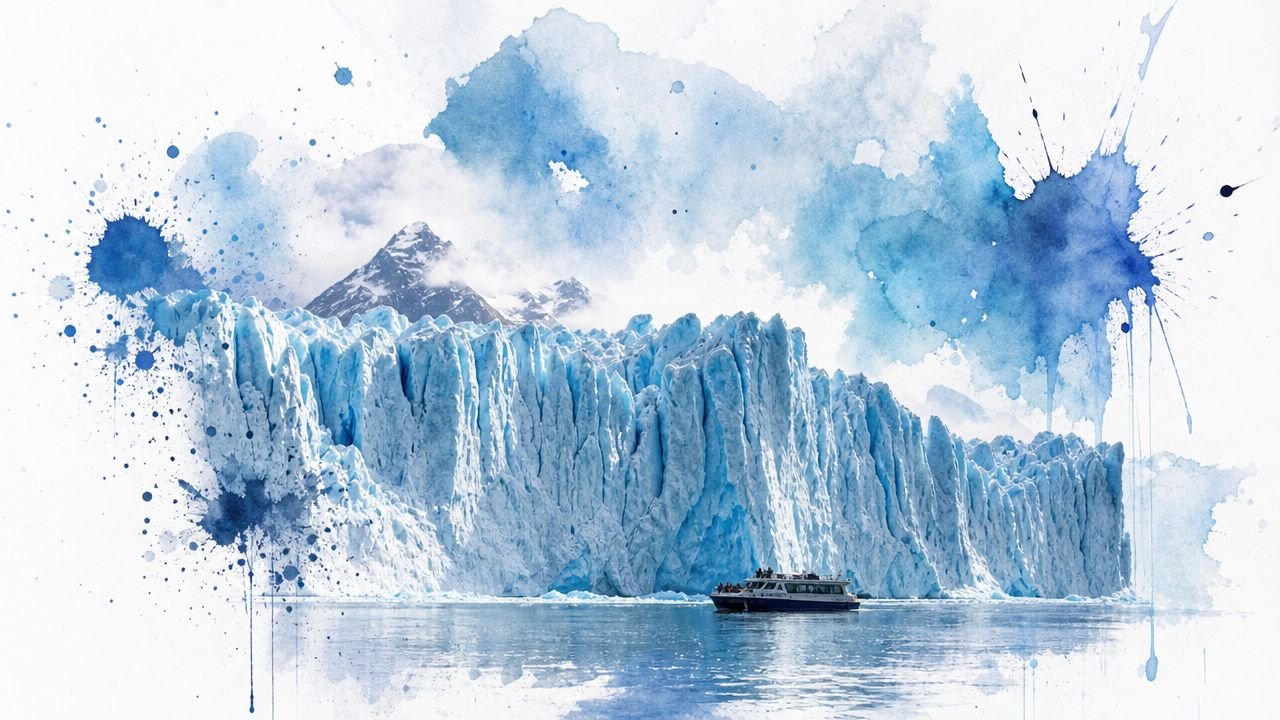
This is one of the country's defining natural experiences, and it deserves more than a rushed transfer and a few platform photos. The strongest visits build in time for changing light, shifting weather, and the emotional impact that comes from staying put and watching.
How to experience the glacier properly
A naturalist guide adds real value here. The glacier is already visually overwhelming, but context around geological time, ice movement, and the surrounding natural setting gives the day shape. For some travelers, that's what turns awe into understanding.
Ice trekking can be memorable, but it isn't for everyone. For mixed-age groups or executive travelers, a navigation paired with boardwalk viewpoints often lands better because it delivers immersion without overcomplicating the day. If you do opt for more active access, use certified operators only.
The glacier doesn't reward speed. It rewards attention.
If you're planning this stop, Perito Moreno Glacier with navigation from El Calafate is the kind of experience that balances scenery, logistics, and comfort well.
A short visual preview helps set expectations for the scale of the place:
Argentina's wider tourism rebound also reinforces how central major natural icons remain. The country welcomed approximately 7.4 million international visitors in 2024, surpassing the same pre-pandemic baseline recorded in 2019, according to Argentina tourism statistics compiled by Tourism Prof Club.
7. El Calafate Gateway to Glaciers and Patagonian Dreams
El Calafate is often introduced as the base for Perito Moreno, but that undersells it. Good frontier towns do more than host departures. They help travelers transition into the natural surroundings, and El Calafate does that well.
The town gives Patagonia a softer landing. You have comfortable hotels, easy excursions, useful dining options, and a pace that works for groups who need some structure before heading into more remote terrain. That matters for corporate and multigenerational travel.
Where El Calafate earns its place
Stay at least long enough to let weather breathe. One night usually makes the glacier feel transactional. Two or more nights allow room for a second lake-based outing, an estancia visit, or a slower evening along Lago Argentino.
The best add-on here is often gaucho culture. An estancia day creates contrast with the ice and helps travelers see Patagonia as a lived region, not just a dramatic backdrop. It also works well for groups because shared meals and ranch settings create easy conversation.
- Use it as a base, not a bus stop: Layer in a lake or estancia experience.
- Book smaller hotels when possible: Owner-led hospitality often feels warmer and more personal.
- Keep one flexible window: Wind and visibility can reshape the day.
In my experience, El Calafate is where a glacier trip becomes a Patagonia trip.
8. Quebrada de Humahuaca Indigenous Heritage and Colorful Landscapes
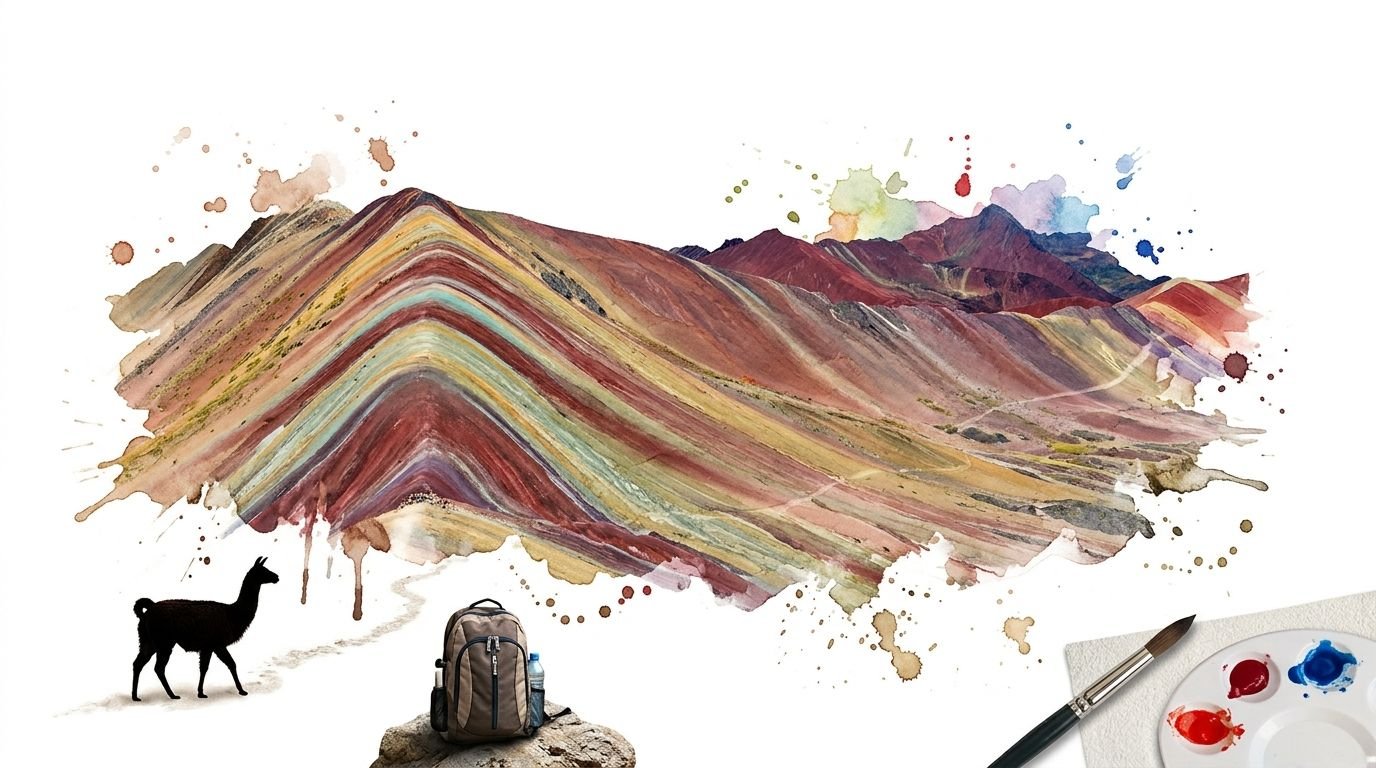
Quebrada de Humahuaca carries memory in the land. Villages, trade routes, mountain colors, markets, and ritual life all sit close together here. It's one of the most meaningful places to visit in Argentina for travelers who want cultural depth and natural beauty in the same frame.
The visual drama is immediate, but this region shouldn't be consumed only through a windshield. Purmamarca, Tilcara, and nearby communities deserve time on foot, time in conversation, and time to understand what is still living here rather than only what is old.
How to avoid a shallow visit
The region becomes far more powerful when travelers stay in a community lodge or a small property with local ties instead of treating it as a day trip from elsewhere. Textile workshops, archaeological interpretation, and conversations with community members all need a little spaciousness around them.
There is also a practical reason to slow down. Better planning resources for less obvious destinations in Argentina are still surprisingly limited, especially when groups want coherent transport, accommodation, and guide frameworks beyond the standard Buenos Aires, Iguazú, and Patagonia circuit. That gap is highlighted in this travel planning analysis on overlooked Argentina destinations.
For this region, I'd keep three principles in mind:
- Use bilingual local guides: Interpretation and etiquette both improve.
- Respect community boundaries: Permission matters, especially around photos and sacred spaces.
- Let altitude set the pace: A slower first day usually makes the rest of the stay better.
9. Estancias Argentine Ranch Life and Gaucho Culture
An estancia stay changes the emotional texture of an Argentina itinerary. After cities, airports, and scenic drives, ranch life brings everyone back to hands, horses, weather, meals, and work. It's one of the most grounding experiences in the country.
The key is choosing the right property. Some estancias feel like polished country houses with equestrian flair. Others are active working operations where guests can participate in daily rhythms more directly. Neither is wrong, but they create very different journeys.
Choosing the right estancia
For corporate groups, ranches are excellent when the team wants to engage. Horseback routes, cattle work observation, asado preparation, and long outdoor meals can create stronger shared memories than formal retreat programming. But the setting only works if expectations are clear.
A few practical truths help:
- Match the estancia to the group: Riding-focused, family-run, historic, or comfort-led properties all suit different travelers.
- Prepare people physically: Boots, sun protection, and basic riding comfort matter.
- Stay more than one night: Immersion doesn't happen on a quick lunch stop.
The best estancia days feel useful, not staged.
I also like estancias because they reconnect visitors with a foundational Argentine story. Land, livestock, and gaucho culture aren't decorative themes here. They're part of the national character.
10. La Boca and San Telmo Buenos Aires' Historic Soul
The first time I planned a private evening across San Telmo and La Boca for a leadership group, the brief sounded simple: show us the "real" Buenos Aires. The answer was not a bigger tango show or a faster checklist. It was better pacing, sharper neighborhood judgment, and enough room for the city to speak in its own voice.
These districts hold some of Buenos Aires' oldest and most revealing layers. San Telmo carries the city's colonial footprint, café culture, antiques, and late-night music scene. La Boca brings port history, immigrant roots, street art, strong local identity, and the emotional force of football. If Recoleta and Palermo show Buenos Aires at its most polished, these two areas show where the city got its grit.
They reward travelers who are curious and well guided.
For corporate groups and high-end travelers, the trade-off is clear. These neighborhoods are memorable precisely because they are textured, busy, and sometimes uneven. That makes curation matter. A well-built visit might pair a private walking route through San Telmo, time with an art historian or tango insider, and a carefully chosen dinner in a venue that still feels local. La Boca works best earlier in the day, with a defined route and transport arranged in advance, rather than left open to improvisation.
San Telmo's Sunday market is still one of the city's great people-watching experiences, but timing changes everything. Early morning gives you better light, easier conversation with vendors, and less crowd pressure. By midday, the atmosphere is lively and fun, though less suitable for travelers who want calm browsing or tighter schedules.
A few choices improve the experience quickly:
- Start with San Telmo, not La Boca, if time is limited: It offers more depth in a compact area.
- Choose tango carefully: Small live-music venues and real milongas usually feel richer than packaged dinner shows.
- Use a car service at night: It saves time and avoids poor routing between stops.
- Build in a pause: Coffee, vermouth, or a slow lunch often becomes the moment people remember most.
These neighborhoods are best treated as a curated chapter, not a box to tick. Done well, they give visitors something rarer than sightseeing. They give context, character, and a more intimate reading of Buenos Aires.
Top 10 Argentina Destinations Comparison
| Destination | 🔄 Implementation complexity | ⚡ Resources & accessibility | 📊 Expected outcomes (⭐ quality) | Best for (Ideal use cases) | 💡 Key advantage / Practical tip |
|---|---|---|---|---|---|
| Buenos Aires: The Paris of South America | Moderate, urban navigation, many activity options | Excellent, major airport, wide hotels, strong dining/cultural venues | ⭐⭐⭐⭐, deep urban cultural immersion, high-quality arts & gastronomy | Culture enthusiasts, performing-arts groups, corporate urban retreats | Pace your visit; hire local guides and dine late to access authentic experiences |
| Mendoza: Argentina's Wine Country Heart | Low–Moderate, winery coordination, seasonal planning | Very good, regional airport, many wineries; some language limits at small estates | ⭐⭐⭐⭐, intimate wine education and personalized tastings | Wine connoisseurs, corporate team-building, food-and-wine travelers | Visit vintage season (Mar–Apr); book private tastings and multi-day itineraries |
| Bariloche: Patagonian Gateway to Alpine Beauty | Moderate–High, multi-activity logistics, seasonal constraints | Good, regional flights, outdoor infrastructure; limited winter access | ⭐⭐⭐⭐, strong nature/adventure impact and photographic value | Adventure groups, nature photographers, active corporate retreats | Travel Dec–Mar for best weather; build flexible schedules with local guides |
| Salta: Colonial Charm and Indigenous Culture | Moderate, altitude and culturally sensitive planning | Fair, regional airport, fewer luxury options, limited English | ⭐⭐⭐, rich cultural immersion and artisan engagement | Indigenous-culture seekers, historians, immersive small groups | Hire culturally aware local guides; allow acclimatization time and learn basic Spanish |
| Córdoba: Argentina's Intellectual and Religious Heart | Low–Moderate, urban but less tourist-oriented coordination | Good, university city infrastructure, fewer international services | ⭐⭐⭐, authentic city experiences and educational exchange | University groups, history/architecture enthusiasts, culture seekers | Spend 3–4 days; connect with university-led tours and local peñas |
| Perito Moreno Glacier: Nature's Sublime Masterpiece | Moderate, remote travel logistics, guided safety requirements | Moderate, El Calafate gateway, limited accommodations, certified operators needed | ⭐⭐⭐⭐⭐, profound natural awe; high photographic and reflective impact | Nature lovers, photographers, transformative corporate retreats | Allocate full day(s); book naturalist guides and morning/late-afternoon viewings |
| El Calafate: Gateway to Glaciers and Patagonian Dreams | Moderate, base-camp logistics with weather contingency | Improving, growing boutique hotels and services; still remote | ⭐⭐⭐⭐, effective base for multi-glacier exploration and authentic frontier feel | Glacier enthusiasts, adventure travelers, corporate nature retreats | Stay 2+ nights; book estancia visits and flexible itineraries for weather |
| Quebrada de Humahuaca: Indigenous Heritage & Colorful Landscapes | High, high altitude, remote roads, community-sensitive planning | Limited, sparse services, bilingual local guides recommended | ⭐⭐⭐⭐, strong cultural and photographic outcomes, ethical engagement | Indigenous-culture researchers, photographers, ethical-tourism groups | Spend 4–5 days; hire bilingual local guides and respect community access rules |
| Estancias: Argentine Ranch Life & Gaucho Culture | Moderate, physical participation and rural coordination | Variable, many within 2–4 hrs of Buenos Aires; rustic to upscale options | ⭐⭐⭐⭐, authentic cultural immersion and practical team-building | Corporate teams, horseback enthusiasts, immersive cultural travelers | Book through trusted operators; plan 3+ nights and be prepared for physical work |
| La Boca & San Telmo: Buenos Aires' Historic Soul | Low, walkable neighborhoods but require local knowledge for safety | Excellent, inner-city access, markets and milongas concentrated | ⭐⭐⭐, intense neighborhood-level cultural authenticity | Tango aficionados, photographers, urban culture seekers | Use local guides for evening visits; explore beyond main tourist streets for authenticity |
Chart Your Path to Argentina's Wonders
Argentina is one of those rare countries where scale and intimacy can live in the same itinerary. You can begin in a capital city filled with literature, music, and late-night ritual. You can move into wine country where conversation becomes the center of the day. You can continue south to ice and wind, or north to mountain color and indigenous continuity. If the trip is designed well, those transitions feel natural instead of fragmented.
That's the key challenge with planning the best places to visit in Argentina. It isn't choosing beautiful destinations. The country has too many of them. The challenge is sequencing them in a way that protects energy, respects distance, and gives each place enough room to matter. For private travelers, that often means avoiding the temptation to overpack the route. For corporate groups, it means balancing wow-factor moments with smooth arrivals, strong hospitality, and experiences that bring people together.
Buenos Aires is often the right first anchor because it allows people to land softly and enter the culture through tango, cuisine, architecture, and conversation. Mendoza adds ease and sociability. Patagonia adds perspective. The northwest adds history and texture. Estancias add human grounding. Once you think in those terms, the country becomes easier to shape.
The wider travel picture also supports this style of planning. In 2025, Argentina's eight long weekends attracted over 13 million tourists and generated nearly 3 trillion pesos in economic turnover, while Atlantic Coast destinations approached 90% occupancy by year-end, according to coverage of Argentina tourism growth and spending. That tells you two useful things. Demand is strong, and good advance design matters.
The same is true on the leisure side. Major natural and scenic destinations continue to draw travelers at scale. During the first half of the 2023 summer season alone, 12.8 million tourists traveled around Argentina and spent more than 491 billion pesos, with Puerto Iguazú listed among the top ten most visited destinations in the ranking, as noted earlier in the country's tourism data. For planners, that's a reminder to reserve high-demand components early while building in quieter, more character-rich stops around them.
If your travelers are considering the far south, it's also useful to know that Tierra del Fuego offers accessible trekking in addition to expedition-style imagery. In Parque Nacional Tierra del Fuego near Ushuaia, established routes include the Lago Ferreño trail at approximately 12 km round-trip with 400 m of elevation gain and the Cerro Macá trail at about 6 km round-trip, both suitable for standard trekking without technical climbing gear, according to this Tierra del Fuego itinerary guide. That kind of practical detail helps match the destination to the traveler instead of relying on postcard assumptions.
If you want the trip to feel personal from beginning to end, work with someone who can curate the route around your group's tempo, interests, and comfort level. La Sirena Vacations is a boutique travel agency that plans personalized journeys in Argentina with a concierge-style approach, which can be especially useful when you're combining cities, wine regions, ranch stays, and remote natural areas in one cohesive itinerary.
If you're ready to turn these places into an Argentina journey crafted for you, La Sirena Vacations can help design a personalized itinerary with private guided experiences, curated logistics, and support throughout the trip.